Noé Saulet

Perspective

Inspirations / Mentors

People whose work and stories have shaped how I think about investing, learning and perseverance.

Portrait of Peter Lynch
Portrait: Catholic Schools Foundation

Peter Lynch

Fidelity Investments · Magellan Fund

Peter Lynch managed Fidelity's Magellan Fund from 1977 to 1990 and became one of the best-known stock pickers for combining strong long-term performance with a clear, practical approach to company research. I am particularly drawn to the way he connects a company's growth prospects with the price paid for them. His use of the PEG ratio — P/E divided by expected earnings growth — is a useful starting point for asking whether a growth stock's valuation makes sense, while still doing the fundamental work behind the numbers.

Peter Lynch biography
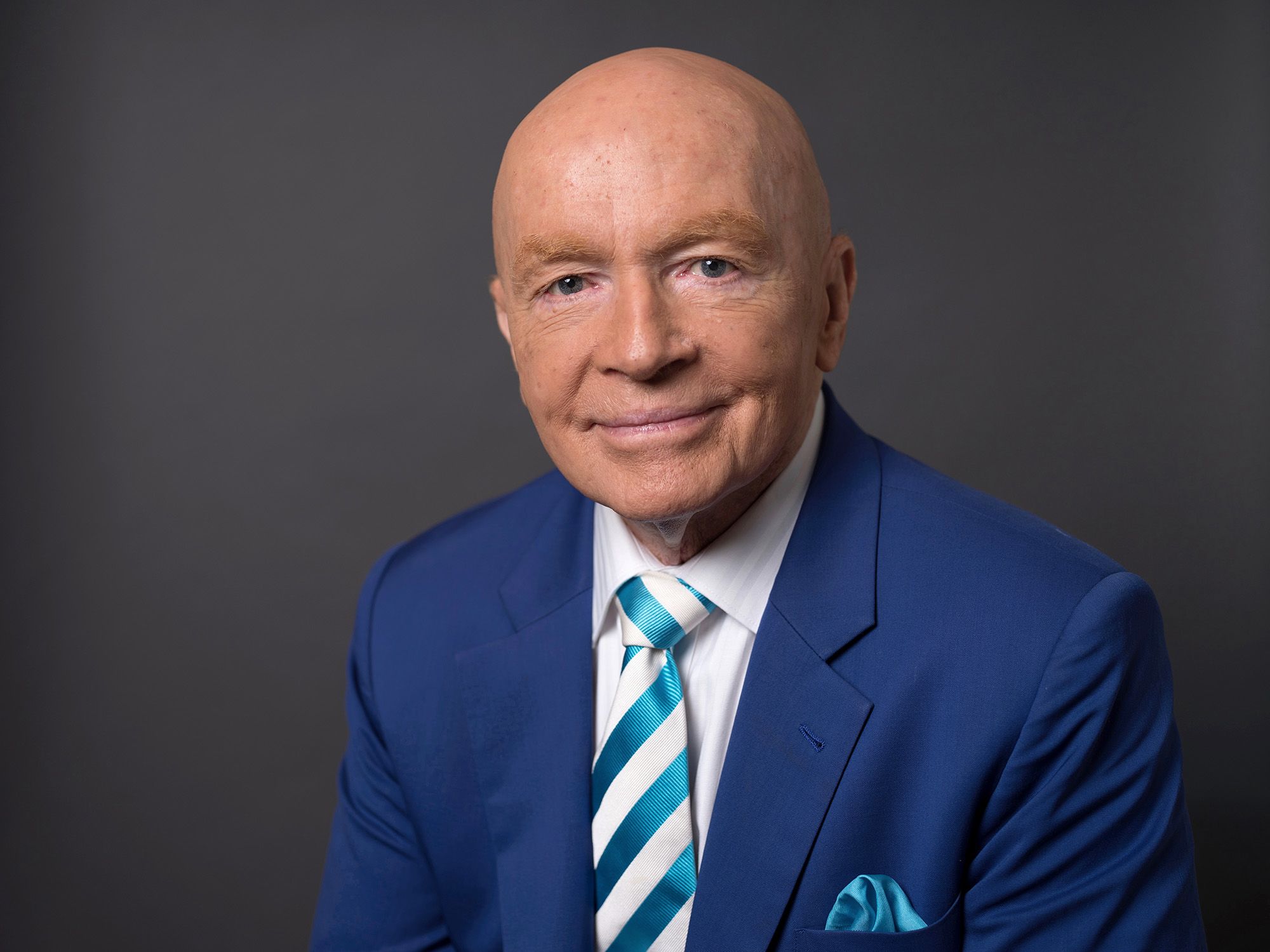
Portrait of Mark Mobius
Portrait: CNN

Mark Mobius

Emerging markets · Franklin Templeton / Mobius Capital Partners

Mark Mobius (1936–2026) helped bring emerging-market investing into the mainstream during more than three decades at Franklin Templeton, then co-founded Mobius Capital Partners. He was known for travelling to meet companies, studying businesses on the ground and looking beyond a country's headline narrative. His focus on durable businesses, governance and efficient use of capital resonates with my interest in emerging markets. Measures such as ROE and ROCE help test whether growth creates value, alongside balance-sheet strength, management quality and valuation. That combination of curiosity in the field and financial discipline is what inspires me most.

Mark Mobius obituary
Portrait of Warren Buffett
Portrait: Getty Images via CNBC

Warren Buffett

Berkshire Hathaway · Business ownership and capital allocation

Warren Buffett built Berkshire Hathaway around the idea of owning businesses for the long term and allocating capital with patience. His shareholder letters are a lesson in explaining decisions plainly, including the mistakes. I admire the discipline of looking at a stock as a stake in a business and asking whether its economics, management and price justify the commitment. Intrinsic value and capital allocation matter more to me than a short-term move in the share price.

Berkshire Hathaway Owner’s Manual
Portrait of Benjamin Graham
Portrait: Columbia University

Benjamin Graham

Columbia Business School · Security analysis

Benjamin Graham helped establish a systematic approach to security analysis, taught at Columbia and wrote Security Analysis and The Intelligent Investor. His work makes me return to a basic question: how much room is there for my assumptions to be wrong? The margin of safety is a practical check on a valuation, while his emphasis on emotional discipline helps keep market prices separate from an estimate of business value.

Columbia Business School: value investing history
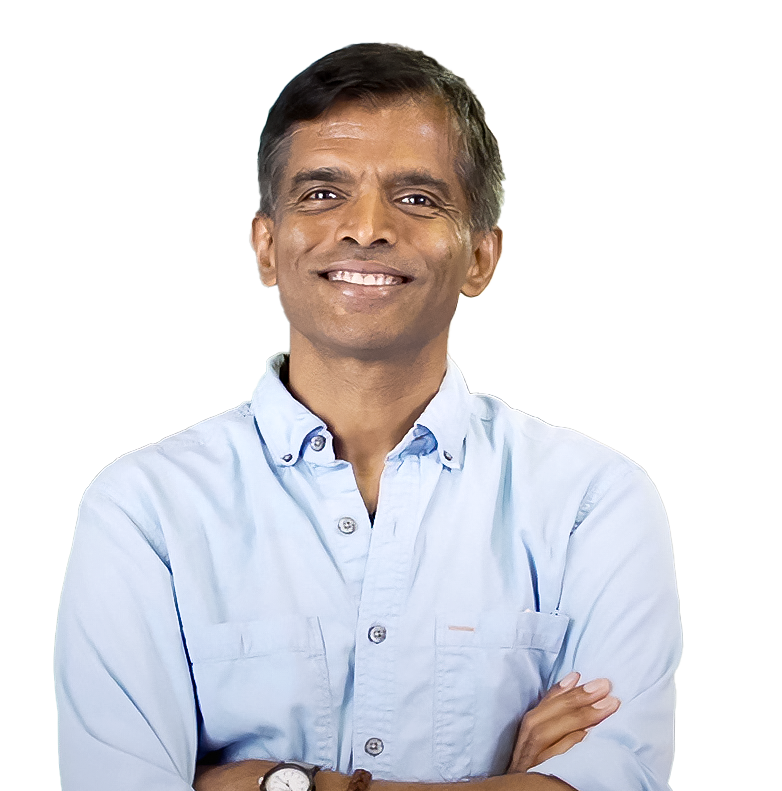
Portrait of Aswath Damodaran
Portrait: Oslo Business Forum

Aswath Damodaran

NYU Stern · Valuation and corporate finance

Aswath Damodaran teaches valuation and corporate finance at NYU Stern and makes much of his teaching material available publicly. His approach pushes me to connect the story of a company to the numbers in a model: growth, margins, reinvestment and risk must fit together. A valuation is only as useful as the assumptions behind it. That is the standard I want to apply when I build forecasts and explain where my investment view differs from the market.

Aswath Damodaran’s NYU Stern site
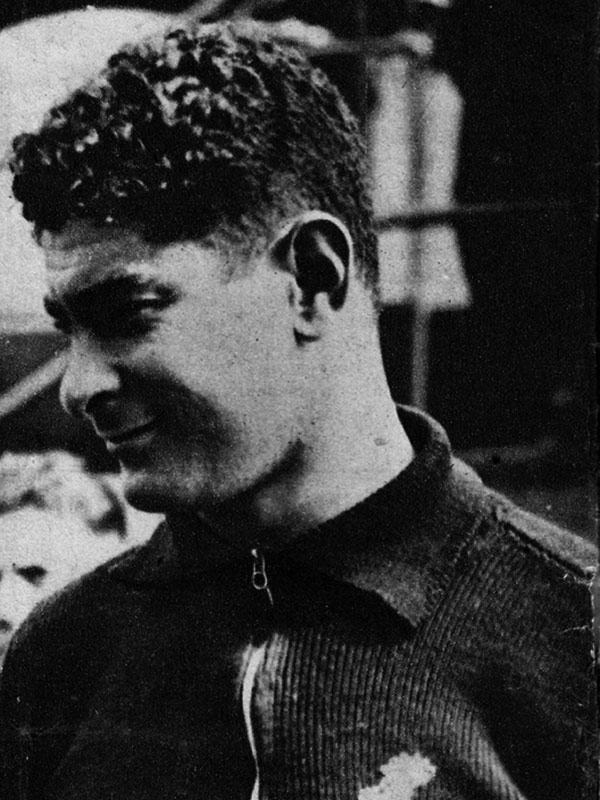
Portrait of Alfred Nakache
Portrait: Yad Vashem

Alfred Nakache

French Olympic swimmer · Resilience beyond sport

Alfred Nakache represented France in swimming at the 1936 Olympics. Deported to Auschwitz with his wife and daughter, he survived while they were murdered. He returned to competition after the war and swam at the 1948 London Olympics. His life deserves to be remembered in its own right. For me, his return to the pool is a profound example of courage and perseverance, and a reminder to keep ordinary setbacks in perspective.

Yad Vashem: Alfred Nakache
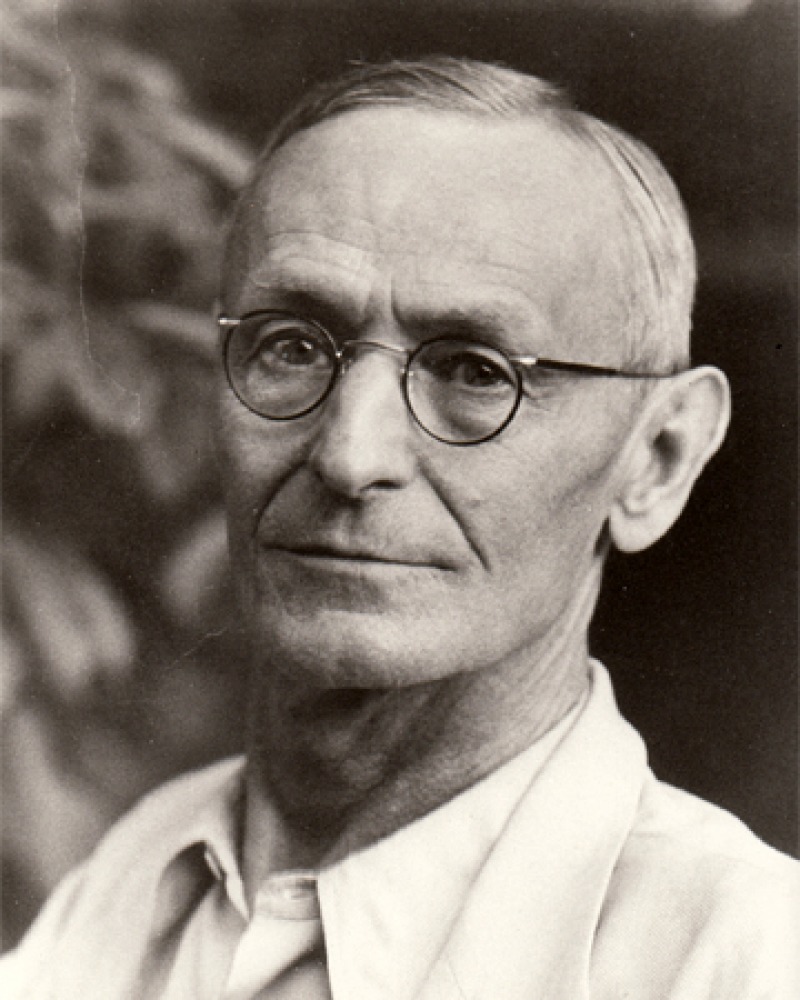
Portrait of Hermann Hesse
Portrait: Lapham’s Quarterly

Hermann Hesse

Writer · Siddhartha · Nobel Prize in Literature, 1946

Hermann Hesse wrote Siddhartha, a book about someone who keeps searching even after finding teachers and ready-made answers. What stays with me is the importance of direct experience and independent judgment. In research, I can learn a framework from others, but I still need to test the assumptions and reach my own view. Curiosity means staying open to being changed by what I find.

Nobel Prize: Hermann Hesse